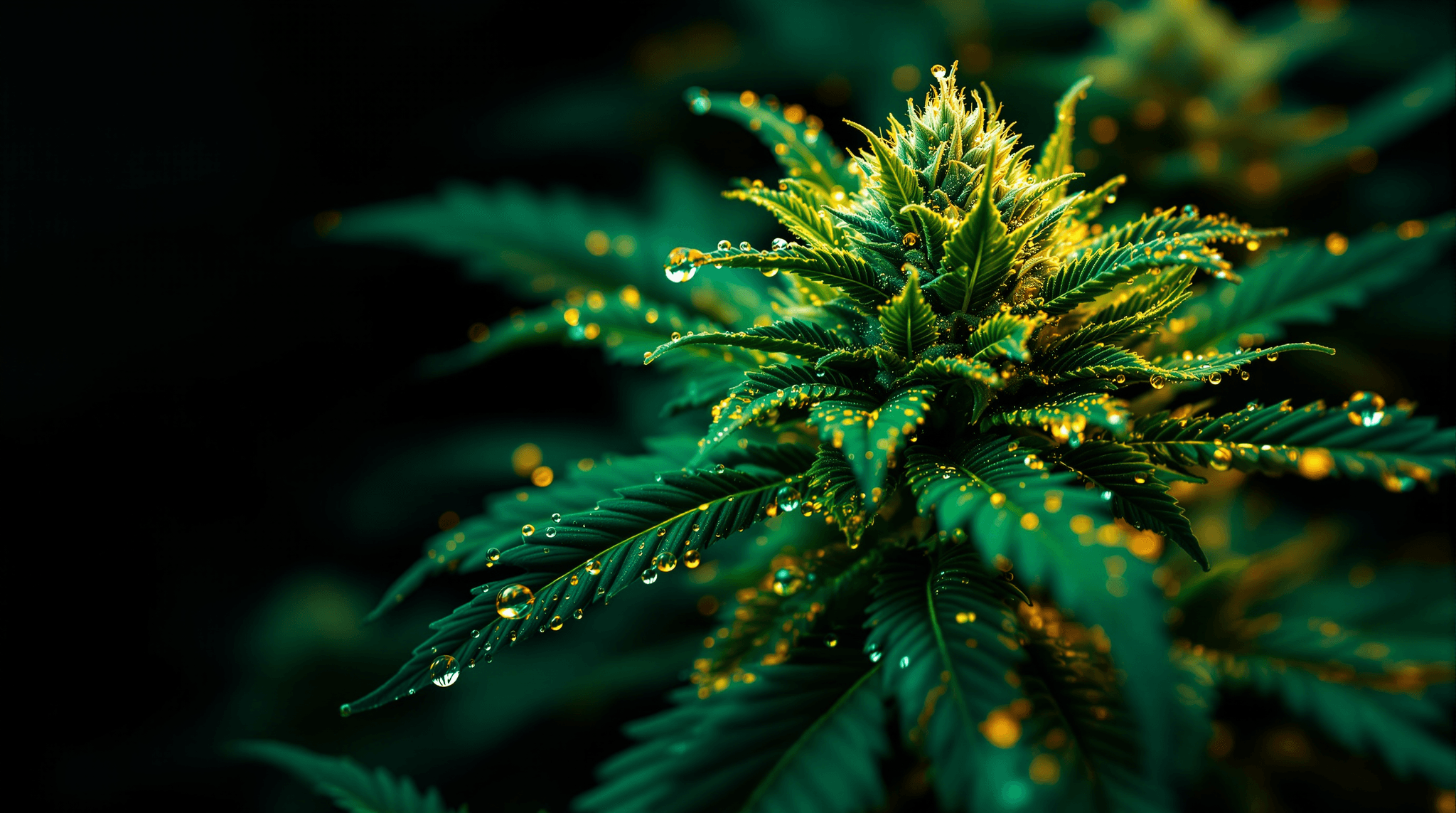
So you want to join the ranks of home cultivators? Whether you're drawn by the satisfaction of growing your own or simply curious about the process, understanding cannabis cultivation opens up a whole new dimension of appreciation for this remarkable plant.
At Dr. Greenthumb's, we've been part of cannabis culture since day one. B-Real didn't just rap about the plant—he lived it, breathed it, and started growing cannabis back in 1988, years before Cypress Hill dropped their first album. Now we're sharing that knowledge with you. This cannabis cultivation guide breaks down everything beginners need to know about growing weed at home.
The Four Stages of Cannabis Growth
Every cannabis plant follows the same journey. According to cultivation experts, "Cannabis has four main stages of growth: Germination—when a cannabis seed first sprouts out of the ground and grows its taproot down into the soil. Seedling—when a seed develops into a baby plant; it's delicate in this stage, with only a few leaves, and is sensitive to heat and humidity. Vegetative—these are juvenile plants that grow quickly, adding lots of plant mass in the form of stems, branches, and fan leaves. Flowering—these are mature plants that start to produce buds that will eventually be harvested and consumed."¹
Understanding these stages is crucial. Each phase demands different care, nutrients, and environmental conditions. Miss the mark, and your plants will let you know.
At our Fresno location, budtenders spend afternoons explaining these growth stages to first-timers. Central Valley customers come in knowing less about cultivation than the coastal crowd, but they're hungry for it.
Seeds vs. Clones: Choosing Your Starting Point
The New York State Cannabis Control Board confirms what experienced growers know: "You can start growing cannabis from either a seed or a clone."² Both methods have their place, but for beginners, seeds often make more sense.
Why seeds? Research shows that "Plants grown from seed can be more hearty as young plants when compared to clones, mainly because seeds have a strong taproot."³ That taproot acts like an anchor, giving your plant stability and better access to water and nutrients deep in the soil.
Cannabis seeds themselves are tiny powerhouses. "Cannabis seeds are about the size of a BB, or about ⅛ – ¼" in diameter. They often have lines on them, called 'tiger stripes.'"⁴ These distinctive markings help identify mature, viable seeds.
Understanding Cannabis Biology
Before you drop that first seed in soil, grasp this fundamental fact: cannabis plants come in male and female varieties. Utah State University Extension explains that "Hemp differs from many other crops because it is dioecious, meaning individual plants are either male or female. Only female plants produce the cannabinoid-rich flowers that are harvested for CBD and other compounds."⁵
This biological quirk shapes your entire growing strategy. Male plants produce pollen, not the flower buds you're after. Let them stick around, and they'll pollinate your females, resulting in seedy buds instead of the dense, resinous flowers you want.
The Science Behind Cannabis Varieties
Not all cannabis is created equal. According to academic research, "Cannabis sativa is the scientific name of the plant that includes both hemp and marijuana. There are generally three recognized subspecies (C. sativa subsp. sativa, C. sativa subsp. indica, and C. sativa subsp. ruderalis) and hundreds of varieties within Cannabis, each with unique characteristics."⁶
Each subspecies brings different growth patterns, flowering times, and physical characteristics. Sativa varieties typically grow tall with narrow leaves. Indica plants stay shorter and bushier. Ruderalis, less common in cultivation, flowers based on age rather than light cycles.
Take our Insane OG strain—it's a perfect example of how genetics matter. This proprietary strain consistently tests between 28-32% THC with a terpene profile dominated by caryophyllene (1.2-1.8%) and limonene (0.4-0.7%). Those aren't marketing numbers—they're lab-verified, batch after batch.
Setting Up Your First Grow
Location matters. Indoor grows give you complete environmental control—temperature, humidity, light cycles. Outdoor cultivation relies on nature but can produce massive plants with minimal equipment investment.
For indoor setups, consider:
- Grow tent or dedicated room
- Lighting system (LED, HPS, or CMH)
- Ventilation and air circulation
- Temperature and humidity monitors
- pH testing equipment
- Quality growing medium
Outdoor growers need:
- Sunny location (6+ hours direct sunlight)
- Protection from extreme weather
- Pest management strategy
- Privacy considerations (check local laws)
Germination: Life Begins
Germination kicks off your journey. Popular methods include the paper towel technique, direct soil planting, or germination cubes. Whichever you choose, maintain consistent moisture and warmth (70-80°F).
Seeds typically crack within 24-72 hours, revealing a white taproot. Handle with extreme care—this root is your plant's lifeline.
Seedling Stage: Handle with Care
Seedlings demand gentle treatment. They need:
- Mild light intensity
- High humidity (65-70%)
- Minimal nutrients
- Stable temperatures
Watch for the first set of true leaves (serrated edges). This signals your plant's readiness for slightly stronger conditions.
Vegetative Growth: Building Structure
During vegetation, cannabis plants focus on building mass. This stage offers opportunities to shape your plant through training techniques:
- Topping: Cutting the main stem to encourage bushier growth
- LST (Low Stress Training): Gently bending branches to create even canopies
- Pruning: Removing lower growth that won't receive adequate light
Vegetative plants thrive under 18-24 hours of light daily. Feed them nitrogen-rich nutrients and maintain temperatures between 70-85°F.
Our growers use this stage to develop the structure that'll support strains like LFG or Sour Diesel. The Barney's Farm genetics we run go through a pheno hunt before anything hits the shelf. Out of 100 seeds, maybe 5-10 plants have the terpene expression and structure we're looking for.
Flowering: The Final Push
Flowering begins when you switch indoor plants to 12 hours light/12 hours darkness. Outdoor plants flower naturally as days shorten.
During flowering:
- Switch to phosphorus and potassium-rich nutrients
- Reduce humidity to prevent mold
- Support heavy branches
- Monitor trichome development
Harvest timing depends on trichome color. Clear means too early, cloudy indicates peak potency, amber suggests degradation has begun.
We flush our plants for 10-14 days before harvest. Clean ash, smooth flavor—that's what separates craft from commodity. Then we cure our flower for a minimum of 14 days in climate-controlled rooms.
Common Beginner Mistakes
We've all been there. Avoid these rookie errors:
- Overwatering (kills more plants than drought)
- Nutrient burn from overfeeding
- Poor pH management
- Inadequate air circulation
- Harvesting too early
At our La Mesa store, regulars don't browse. They walk in, ask for Insane OG by name, and leave. But beginners? They need guidance through these common pitfalls.
Legal Considerations
Before planting anything, know your local laws. Regulations vary dramatically between states, counties, and municipalities. Some areas allow home cultivation, others don't. Plant counts, location restrictions, and security requirements differ everywhere.
In Arizona, where we partner with The Flower Shop in Mesa, Ahwatukee, and Phoenix, home cultivation laws differ from California's regulations around our Canoga Park, Orcutt, and Fresno locations.
Your Growing Journey Starts Now
Growing cannabis connects you to the plant in ways buying never can. You'll develop intuition for what your plants need, learn to read their signals, and gain deep appreciation for the craft behind every quality bud.
Start small. One or two plants teach plenty without overwhelming. Document everything—what works, what doesn't. Join online communities where growers share experiences.
Remember, every master grower started exactly where you are now. The difference? They planted that first seed.
When B-Real started growing in '88, the industry looked nothing like today's billion-dollar market. But the fundamentals haven't changed—good genetics, proper environment, patience, and respect for the plant.
*This content is for educational purposes only.*


